SEO and SEM: Understanding the Differences for Better Marketing
6/11/2026, 1:40 PM · By Yossi Medina | Service: Search Engine Optimization (SEO)
TL;DR
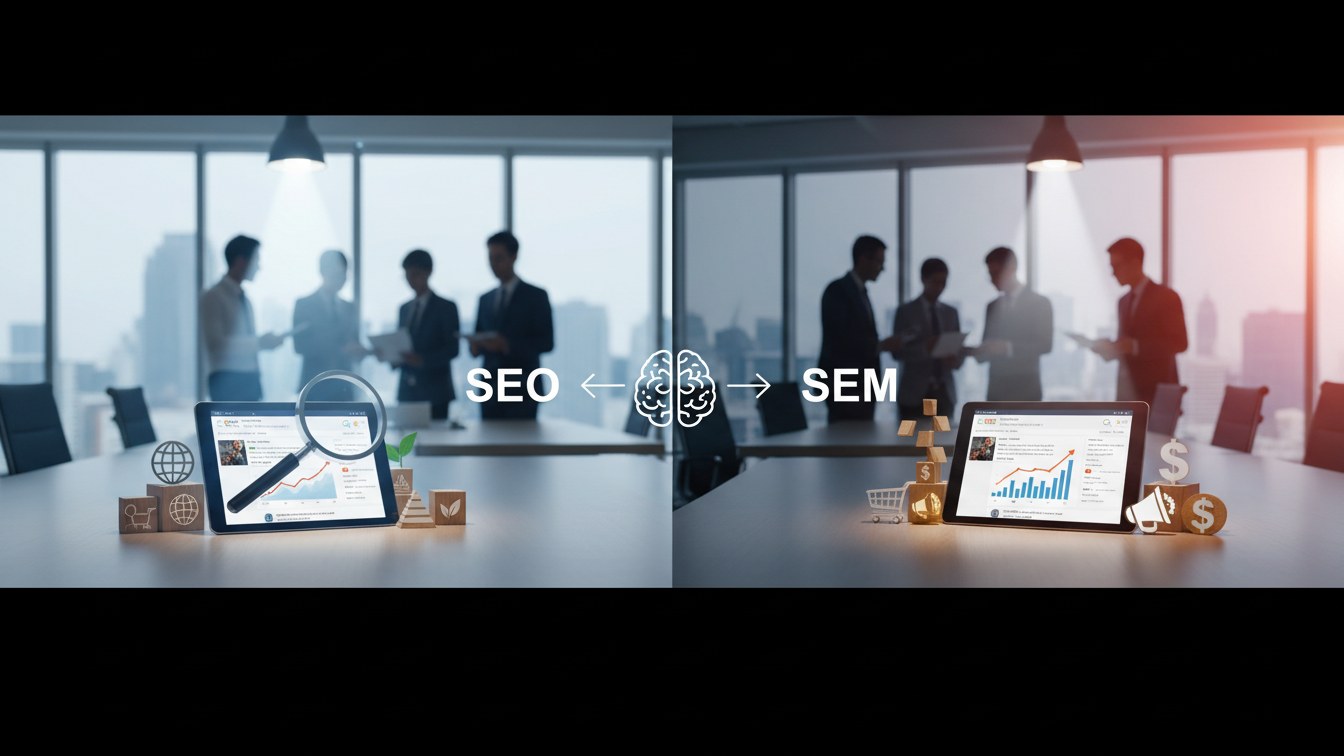
SEO (Search Engine Optimization) and SEM (Search Engine Marketing) are two vital strategies for enhancing online visibility. Understanding their differences can help businesses make informed marketing decisions, with SEO focusing on organic search ranking and SEM leveraging paid advertising.
Explore the differences between SEO and SEM to better inform your marketing strategies. Learn how optimizing your digital presence can lead to sustainable growth.
Introduction to SEO and SEM
In the digital landscape, businesses often grapple with how best to increase their online visibility and drive traffic to their websites. Two prominent strategies in this realm are Search Engine Optimization (SEO) and Search Engine Marketing (SEM). While they may seem similar at first glance, understanding their key differences is essential for effective marketing.
Defining SEO and SEM
What is SEO?
SEO refers to the ongoing practice of optimizing a website to improve its organic ranking on search engine results pages (SERPs). The goal is to enhance the quality and quantity of traffic to your website through natural search results rather than through paid advertisements. This involves:
- Keyword research
- On-page optimization
- Content creation
- Link building
What is SEM?
Conversely, SEM involves paid strategies to boost visibility in search engines, most commonly through paid ads like pay-per-click (PPC) advertising. Companies utilizing SEM aim to appear at the top of SERPs, thereby driving targeted traffic to their site quickly. Key components of SEM include:
- PPC campaigns
- Ad crafting and placement
- Budget management
Key Differences Between SEO and SEM
Time and Cost
The primary distinction between SEO and SEM lies in their implementation and long-term effectiveness:
- SEO is a long-term strategy that typically requires consistent effort over months to see results, making it cost-effective in the long run.
- SEM can generate faster results as a paid strategy, but it often requires ongoing investment to maintain visibility.
Short-Term vs. Long-Term Wins
With SEO, businesses build a foundation for long-term traffic through continuous optimization and high-quality content. In contrast, SEM can deliver immediate results, suitable for campaigns with specific time constraints or urgent sales goals.
Why Should Businesses Invest in SEO?
Investing in SEO offers numerous benefits:
- Increased Visibility: Well-optimized content ranks higher in search results, reaching a broader audience.
- Credibility and Trust: Organic search results build trust with potential customers, as many users prefer them over paid ads.
- Cost Effective: While it requires an initial investment of time and resources, SEO generally yields a higher ROI than continuous SEM spending.
By choosing to work with a specialized team that focuses on Search Engine Optimization, businesses can enhance their online presence and maintain a competitive edge.
Combining SEO and SEM for a Balanced Strategy
For optimal results, businesses should consider combining both SEO and SEM. This allows for:
- Leveraging immediate traffic while building organic rankings
- Utilizing data from ads to inform SEO strategies
- Maximizing overall online visibility and ROI
Conclusion
Understanding the differences between SEO and SEM enables businesses to tailor their marketing strategies to better suit their goals. While SEO focuses on organic growth and long-term results, SEM provides immediate visibility through paid campaigns. Whether you choose one over the other or decide to integrate both, a well-thought-out digital marketing strategy is essential for success. For more information on how our team can help enhance your online presence through SEO, feel free to contact us.
Frequently asked questions
Ready to get expert help with Search Engine Optimization (SEO)?
Learn more about Search Engine Optimization (SEO)