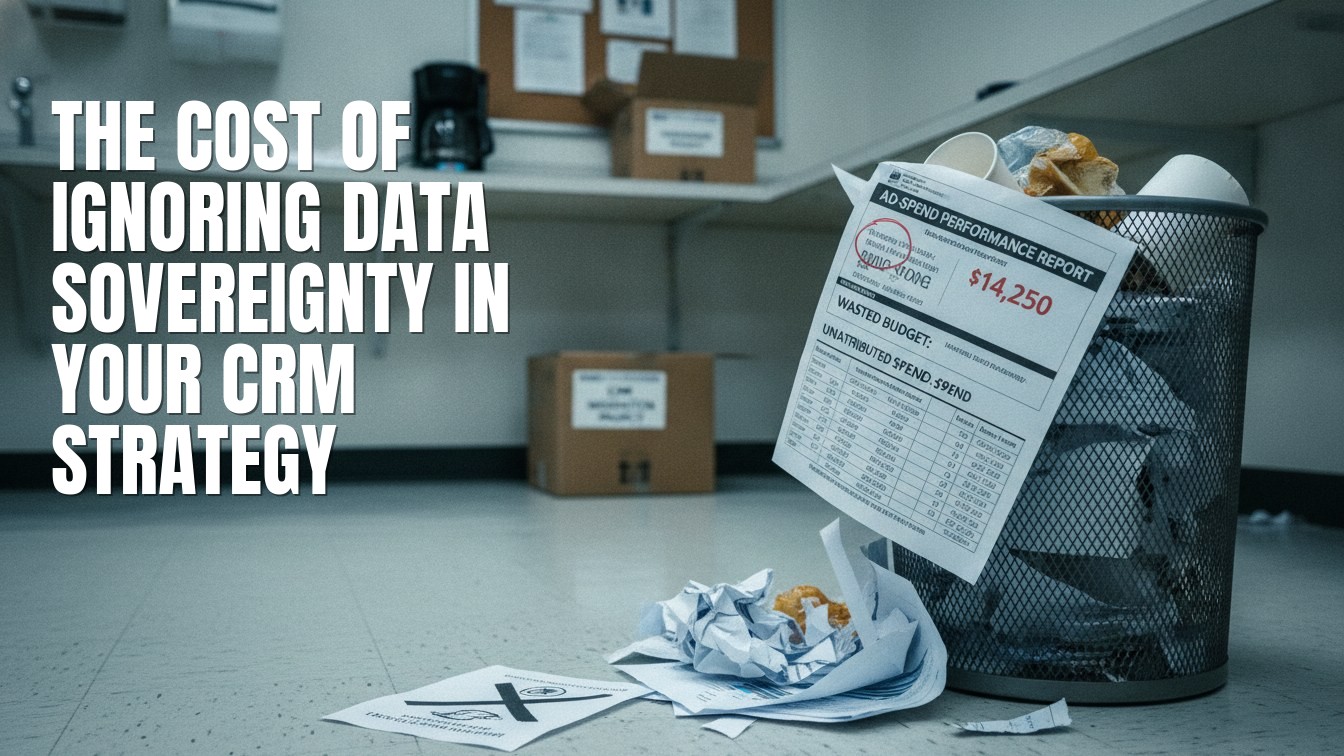
The Cost of Ignoring Data Sovereignty in Your CRM Strategy
8/12/2026, 3:13 PM · By Yossi Medina | Service: Custom CRM Software Development
TL;DR
In today’s data-driven world, businesses face significant challenges surrounding data ownership and compliance. Custom CRM solutions provide businesses the control necessary to navigate these complexities, ensuring data sovereignty and reducing operational friction. Discover why custom CRM software development is crucial for your business in this evolving landscape.
As data becomes increasingly vital, understanding data ownership and compliance is crucial for businesses. Custom CRM solutions empower companies to retain control over their data while navigating the necessary compliance landscapes.
The Hidden Risks of Data Agnosticism
In a digital landscape characterized by increasing data regulations, businesses are grappling with a critical issue: data ownership. As companies collect and analyze vast amounts of consumer data, they often overlook the significance of data sovereignty. This has far-reaching implications not only for compliance with laws like GDPR and CCPA but also for protecting sensitive business and customer information.
For instance, consider a mid-sized retail company using an off-the-shelf CRM solution. While they might be drawn in by the promise of streamlined operations, they inadvertently lose control over their data. When customers decide to opt out or delete their personal information, the business finds itself with minimal recourse to manage that data effectively. This scenario illustrates how a lack of ownership can lead to compliance nightmares and operational inefficiencies.
Understanding Data Sovereignty
Data sovereignty refers to the concept that data is subject to the laws and regulations of the country in which it is stored. For global businesses, this means acknowledging that data compliance is not a one-size-fits-all approach. Each country may have its own regulations that dictate how data should be collected, stored, and utilized. By utilizing a generic CRM solution, companies risk violating these regulations, leading to fines and damaged reputations.
To illustrate, a technology company operating across multiple jurisdictions may inadvertently violate local data laws by relying on a CRM that stores all data in one country, disregarding the legal requirements of others. This can result in severe penalties under various compliance frameworks and a loss of customer trust, both of which directly impact the bottom line.
The Operational Friction of Rigid Systems
In addition to compliance risks, data ownership also impacts operational efficiency. Generic CRM solutions often come with rigid frameworks that do not accommodate the unique needs of a business. As organizations grow and evolve, their data strategies must also adapt. However, with off-the-shelf CRMs, businesses can encounter significant bottlenecks that hinder their ability to scale and respond to changing market demands.
Imagine a financial services firm that experiences rapid growth but is tied to a CRM that cannot efficiently handle increased data volumes or complex reporting requirements. The operational friction caused by such limitations can slow down decision-making processes, frustrate employees, and ultimately affect customer satisfaction. Companies must be aware of how their CRM choices can either empower or handicap their operations.
Key Bottlenecks Faced by Businesses
- Inflexible Data Structures: Off-the-shelf CRMs may impose data structures that do not align with a business’s needs, resulting in wasted resources and underutilized data.
- Limited Customization: Businesses often require specific functionalities that generic solutions do not offer, leading to the development of workarounds that can complicate processes.
- Poor Integration with Other Systems: Many businesses rely on multiple software solutions. Generic CRMs may struggle to integrate smoothly with these systems, causing delays and inefficiencies.
Mitigating Risks with Custom CRM Solutions
To address the issue of data ownership and compliance, organizations should consider investing in custom CRM solutions. These systems offer enhanced control over data management and can be tailored to align with the specific needs of the business, ensuring compliance with local regulations while streamlining operations.
Custom CRM software development allows businesses to build an application that suits their unique workflows and integrates seamlessly with existing tools. By prioritizing data sovereignty, companies can strengthen their operational efficiency while reducing risks associated with compliance.
Take, for example, a growing e-commerce platform that requires significant customizations to track consumer behavior accurately. By developing a tailored CRM, this platform can ensure data is collected in compliance with various regulations while maintaining a structure that evolves alongside its business goals. This flexibility not only enhances their operational capabilities but also strengthens their customer relationships by ensuring data integrity.
The Long-Term Advantages of Custom Solutions
- Enhanced Control over Data: Custom CRMs empower businesses to manage their data effectively, ensuring alignment with compliance requirements.
- Scalability: Businesses can modify their CRM solutions as they grow and requirements change, mitigating the risks associated with inflexible systems.
- Improved Customer Relationships: Tailored functionalities lead to better data utilization, which can enhance customer engagement and retention.
Fostering Trust Through Transparent Data Practices
In an age where customers are increasingly aware of their data rights, transparency around data handling is essential for cultivating trust. When businesses deploy CRM systems that conform to sovereignty regulations, they are not merely ticking boxes for compliance; they are demonstrating a commitment to ethical data practices. This is especially important in competitive markets, where consumer loyalty often hinges on how much they trust a brand with their data. By showcasing compliance with local regulations, companies signal to their customers that their privacy is taken seriously, thereby strengthening their brand loyalty.
Consistent communication regarding data practices can significantly enhance this trust. This might include updates about how customer data is used, the measures taken to protect that data, and any changes to data policies that may arise. Clear messaging not only meets regulatory expectations but also resonates well with an audience that appreciates transparency. As customers increasingly demand greater control over their data, businesses that lead with openness can foster deeper engagement and loyalty.
A Proactive Approach to Data Management
Adopting a proactive approach in managing data sovereignty means anticipating potential regulatory changes instead of simply reacting to them. Businesses that build a culture of compliance within their organization are better equipped to adapt to shifts in legislation, avoiding potential fines and disruptions that could arise from non-compliance. To achieve this, organizations should invest in regular training and upskilling programs for employees and stakeholders involved in data governance.
Regular audits and assessments of data practices are essential tools in this proactive toolkit. By regularly reviewing how data is collected, stored, and used, organizations can identify vulnerabilities and adjust their strategies efficiently, ensuring they remain compliant with both existing and emerging regulations. Additionally, maintaining a comprehensive data inventory helps businesses understand the flow of data within their systems, leading to more informed decisions regarding compliance and strategy.
The Impact of Technology on Data Sovereignty
The advancement of technology, particularly cloud computing and artificial intelligence, has changed the landscape of data management. While these technologies offer tremendous benefits in scalability and efficiency, they also present new challenges in terms of data sovereignty. As businesses increasingly rely on global cloud services, they must be mindful of where their data resides. Missteps in data location can lead to regulatory breaches that may not only incur significant financial penalties but also result in reputational damage.
Choosing the right technology providers is, therefore, a pivotal step in crafting a solid CRM strategy that respects data sovereignty. Companies should seek out vendors that are committed to compliance and can provide assurance of adherence to multiple regional regulations. This collaborative approach allows organizations to leverage innovation while mitigating risks associated with data mismanagement.
Integrating Data Sovereignty into Business Culture
Integrating the principles of data sovereignty into the very culture of an organization fosters a collective responsibility towards data management. This cultural shift requires leadership teams to embed privacy and compliance into their core business objectives, creating an environment where every employee understands the importance of data governance. This cultural alignment should not only be top-down but also encourage input and feedback from employees at all levels, fostering ownership and accountability.
Moreover, this mindset can extend to all facets of the organization, from marketing to customer service. Empowering teams to understand the implications of their actions on data privacy can lead to innovative solutions that respect customer sovereignty while still achieving business goals. Establishing agile workflows that incorporate data protection into everyday operations can mitigate risks and ensure that compliance becomes second nature, not an afterthought.
Leveraging Data for Competitive Advantage
While compliance with data sovereignty appears at first glance to be a legal hurdle, it can actually be a catalyst for competitive advantage when approached correctly. Organizations that effectively manage data in accordance with local laws and customer expectations can derive more meaningful insights from their data without breaking regulations. This means better-targeted marketing, personalized customer engagement, and strategically informed decisions based on clean, reliable data.
Furthermore, harnessing analytics within a compliant framework enables businesses to stay ahead of market trends and consumer preferences. This not only boosts operational efficiency but also positions the business as a leader in privacy-conscious data usage, an area gaining increasing importance in consumer decision-making. More than just a compliance box to check, respecting data sovereignty can transform how a business interacts with its customers, ultimately enhancing growth and profitability.
Consider organizations that prioritize data sovereignty; these companies often see a long-term return on investment. This investment isn’t limited to technology and compliance measures but extends to the trust and loyalty built with customers. Consistently safeguarding consumer data and respecting their preferences shapes a market perception of reliability and integrity, leading to sustained business success.
The Role of Technology in Upholding Data Sovereignty
As companies enhance their CRM strategies, technology emerges as a crucial ally in the quest for data sovereignty. The advent of cloud computing and advanced data encryption methods has given organizations powerful tools to manage their data securely while complying with relevant regulations. By leveraging these advancements, businesses can fine-tune their data storage solutions to ensure that sensitive information remains protected according to local laws.
Implementing solutions such as geo-fencing can help businesses delineate data access according to regional restrictions, thus ensuring compliance with both local and international laws. Additionally, investing in data management software that provides robust reporting functions allows organizations to maintain transparency regarding data handling practices. This not only enforces accountability but also builds a stronger foundation of trust with clients who are increasingly concerned about how their data is utilized.
Moreover, adopting an integrated CRM system that prioritizes data sovereignty can yield operational advantages. These systems often come equipped with features that streamline processes while enhancing data privacy. Organizations can automate compliance checks and manage user permissions with ease, creating a seamless way to uphold data sovereignty from the ground up.
The synergy between technology and data sovereignty must also be complemented by a comprehensive training program for staff. Ensuring that employees understand the significance of data handling procedures and the implications of non-compliance will foster a culture of responsibility. This kind of proactive training not only minimizes the risk of breaches but also enhances the overall customer experience as employees can better address client concerns regarding data privacy.
The Bottom Line
As the landscape surrounding data ownership continues to evolve, businesses must recognize the significant risks associated with generic CRM solutions. Prioritizing data sovereignty is not just a compliance issue; it’s a crucial factor impacting operational efficiency and customer trust. By investing in custom CRM development, businesses can retain control over their data, mitigate compliance risks, and empower their teams to operate more efficiently.
Don't let the complexities of data ownership hinder your business growth. Control your data and optimize your operations with our expertise in custom CRM software development. Contact us today for a free consultation and let us help you navigate these critical challenges.
If you want this handled for your business, contact us today.