The Future of Website Design: Trends to Watch in 2026
5/31/2026, 1:07 PM · By Yossi Medina | Service: Website Design
TL;DR
As we look ahead to 2026, website design is set to evolve in exciting ways, driven by emerging technologies and user expectations. Key trends include increased personalization, AI integration, and a focus on accessibility, making it critical for businesses to adapt. Investing in cutting-edge website design will be essential for staying competitive.
Stay ahead of the competition by exploring the top website design trends to watch in 2026. Discover how personalized experiences and advanced technologies are shaping the digital landscape.
Introduction
As we approach 2026, the landscape of website design is rapidly changing. New technologies and shifting consumer preferences are driving a transformation that presents a variety of opportunities for businesses looking to enhance their online presence. In this post, we explore the key trends that will define the future of website design and how you can leverage them to attract and retain customers.
Key Trends to Watch in 2026
- 1. Enhanced Personalization
- 2. AI and Machine Learning Integration
- 3. Focus on Accessibility
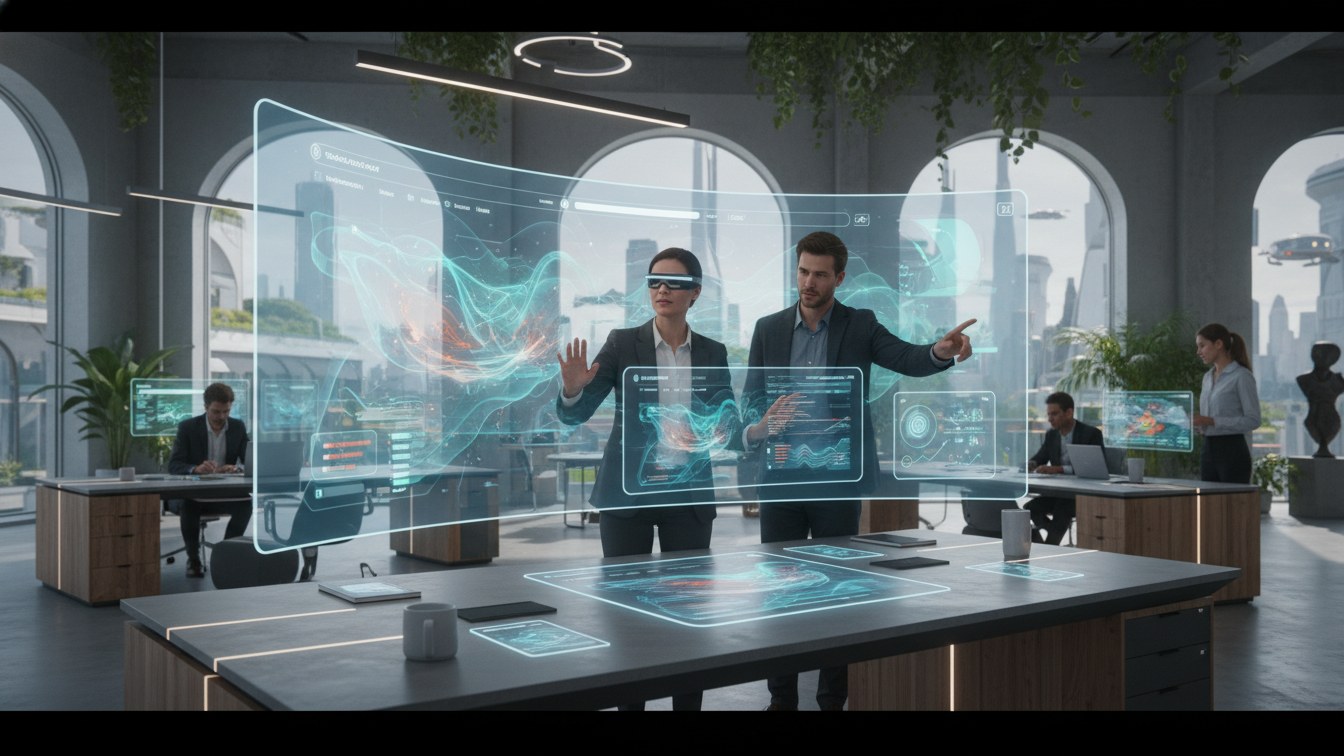
- 4. Immersive Experiences with AR and VR
- 5. Mobile-First Design and Performance
Personalization is more than a buzzword; it is becoming a standard expectation for users. By analyzing user behavior and preferences, websites will be able to offer a customized experience. This means tailored content, product recommendations, and dynamic interfaces that adapt to individual users. A strong emphasis on website design will be crucial in creating these personalized experiences efficiently.
Artificial intelligence is set to revolutionize website design. From chatbots that enhance customer service to smart analytics that predict user behavior, AI tools will be increasingly integrated into website functionalities. Businesses will have to ensure their digital platforms are equipped to handle these advanced features, pushing the envelope for user engagement.
Inclusivity is no longer optional. As regulations and awareness around digital accessibility grow, businesses must prioritize designing websites that cater to all users, including those with disabilities. Designing for accessibility not only meets legal requirements but also expands your audience reach.
Augmented Reality (AR) and Virtual Reality (VR) are making waves in digital experiences. By incorporating these technologies, businesses can create engaging environments that allow users to interact with products in innovative ways. As this trend grows, it will become essential for web designers to integrate immersive experiences in their strategies.
With an increasing number of users accessing websites via mobile devices, a mobile-first approach is essential. Future website designs must prioritize performance and mobile usability to provide seamless experiences that cater to the device segment's growing influence.
How to Prepare for These Trends
To prepare for the changes in website design over the next few years, businesses should:
- Invest in a responsive and adaptable website design that can easily incorporate new technologies.
- Conduct regular analyses of user data to better understand preferences and behaviors.
- Stay informed about industry advancements to identify opportunities for innovation.
- Make accessibility a fundamental part of design processes to serve a broader audience.
Conclusion
The future of website design is bright with possibilities. By staying innovative and responsive to the upcoming trends, businesses can create engaging, user-friendly, and accessible websites. By investing now in quality design services, organizations will position themselves for success in a competitive digital landscape. Ready to elevate your online presence? Contact us to discuss how we can help you navigate these trends and craft a website that meets the needs of 2026 and beyond.
Frequently asked questions
Ready to get expert help with Website Design?
Learn more about Website Design