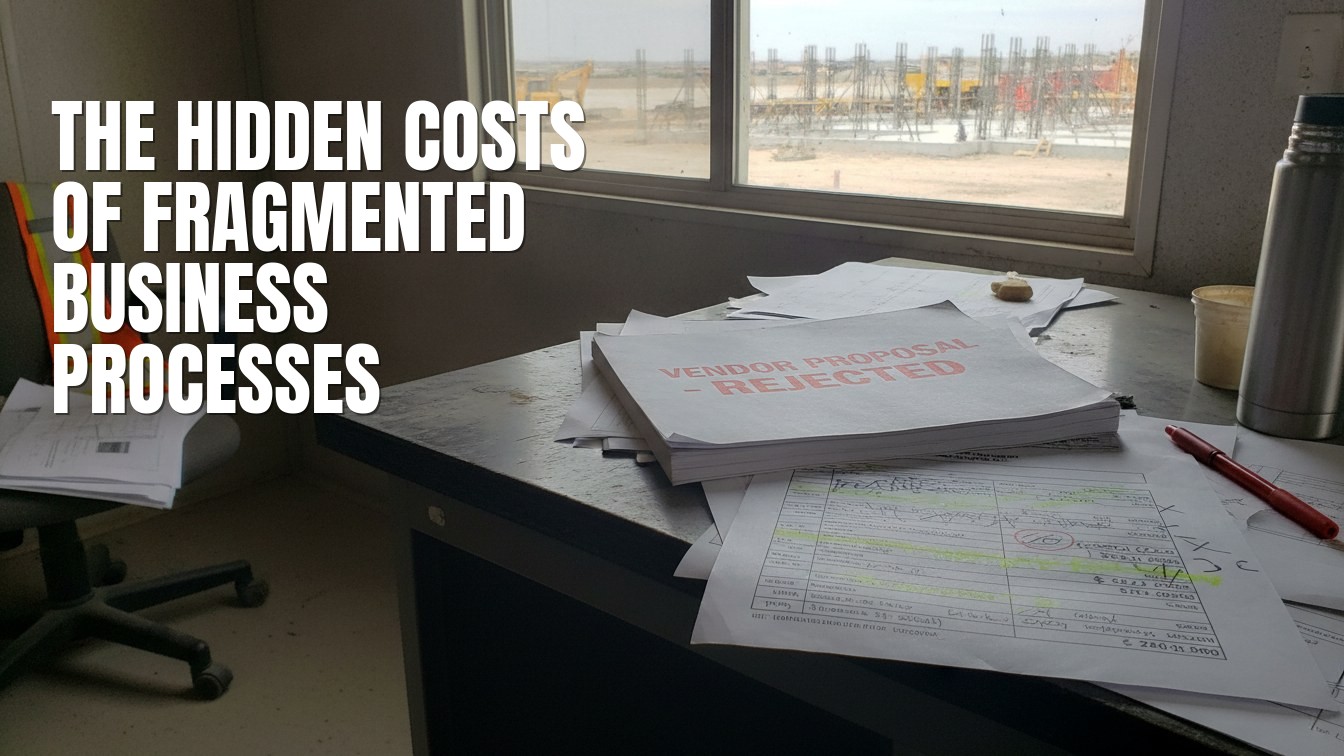
The Hidden Costs of Fragmented Business Processes
7/31/2026, 9:50 AM · By Yossi Medina | Service: Agentic Workflow Automation
TL;DR
In 2026, operational silos can severely hinder innovation and responsiveness in businesses. By addressing these silos, organizations can foster collaboration, enhance agility, and ultimately drive business growth through enhanced agentic workflow automation solutions.
Operational silos create friction that can stall innovation. Discover how breaking down these barriers by adopting agentic workflow automation can unleash your organization's potential for growth and adaptability.
The Business Cost of Operational Silos
In today's fast-paced business landscape, many organizations grapple with operational silos, isolated processes that hinder collaboration and decision-making. These silos create communication barriers, resulting in delayed responses to market shifts and customer needs. For instance, a marketing team might launch a campaign without coordinating with sales, leading to misaligned messaging and lost opportunities.
The recent evolution of digital tools has only amplified these challenges. With specialized software often tightly integrated into specific departments, the risk of fragmented workflows increases. In a 2025 survey, 79% of executives reported that operational silos were among their top challenges, directly impacting their ability to innovate.
Why Operational Silos Persist
Operational silos persist for several reasons. First, traditional organizational structures create hierarchical boundaries that separate departments, leading to a lack of interdepartmental communication. Additionally, employees may feel incentivized to protect their functional domains, fostering a culture of competition rather than collaboration.
Moreover, technology can further entrench these silos. Businesses often adopt different tools tailored to individual departments, like using specialized CRM for sales and distinct project management software for project teams, yet fail to integrate these systems effectively. As a result, the potential for valuable insights derived from cross-functional data remains untapped. For example, a customer feedback system that only the product team accesses can lead to product misalignments and unmet consumer needs.
The Impact on Innovation
When silos dominate an organization, the consequences for innovation can be severe. Teams that could benefit from collaborative problem-solving are often left in isolation. Delays in information sharing can obstruct nimbleness, leading to missed windows of opportunity in rapidly changing markets.
Consider a tech startup launching a new feature. If the engineering team develops a solution without input from customer support, they might overlook critical user insights, resulting in a product that doesn't meet user expectations. This misstep not only squanders resources but can also harm the company’s reputation and user loyalty.
Recognizing Signs of Fragmentation
Identifying operational silos within your organization requires a keen eye for several telltale signs. These can include:
- A lack of collaboration on cross-department projects
- Slow decision-making processes due to the need for approvals from multiple departments
- Misaligned goals and KPIs across departments
- Frequent miscommunication, resulting in errors and rework
Addressing these issues is crucial to unleashing your organization's full potential. By creating a more collaborative culture and streamlining processes, you can drive efficiency and innovation.
Fostering a Collaborative Culture
Promoting interdepartmental communication can significantly aid in breaking down operational silos. Regular cross-functional meetings that encourage open dialogue create opportunities for teams to align on goals, share insights, and enhance collective problem-solving capabilities. Furthermore, investing in collaborative tools that allow seamless information sharing can serve as a foundational strategy for cultivating a unified approach.
Additionally, leadership plays a critical role. Encouraging leaders to model collaborative behavior can inspire their teams to prioritize cross-functional relations. Recognizing and rewarding collaborative successes will further strengthen this cultural shift.
Streamlining Processes with Agentic Workflow Automation
As organizations confront the complexities of modern business operations, solutions like agentic workflow automation emerge as powerful tools. By automating repetitive tasks and ensuring that information flows freely across integrated systems, agentic workflow automation can effectively eliminate the friction of silos.
This technology not only provides real-time data access across departments but also creates standardized processes that improve accountability and efficiency. For instance, a marketing team using an agentic workflow automation system can interface directly with sales data, enabling them to tailor campaigns based on actual customer behavior, thereby improving resonance and results.
Furthermore, agentic workflow automation facilitates rapid response to market changes by allowing teams to pivot quickly based on insights gathered from multiple data sources. By leveraging analytics and reporting capabilities, you can also make informed decisions that synchronize efforts across departments.
Case Study: Enhanced Collaboration Through Automation
Imagine a medium-sized retail company struggling with slow innovation cycles due to departmental fragmentation. After implementing an agentic workflow automation system, the organization experienced a significant turnaround. Every department could access real-time sales data, customer feedback, and market trends.
Within six months, the company launched a new product line that closely aligned with customer preferences, resulting in a 20% uptick in sales. The automation system allowed teams to communicate efficiently, react quickly to customer insights, and adjust marketing strategies in real-time, eliminating the previous obstacles of misalignment.
The Future is Integrated
As businesses enter an era rich with technological advancements, the imperative to foster an integrated operational strategy becomes more pressing. By understanding the detrimental impact of siloed operations, organizations can take proactive steps to dismantle these barriers. Embracing tools like agentic workflow automation positions companies to navigate the technological landscape, responding agilely to customer demands and market fluctuations.
As we look toward 2026, the capacity for innovation hinges on collaboration and efficient workflows. For businesses wanting to maintain a competitive edge, now is the time to consider transformative strategies that lead to sustainable growth.
Ready to enhance collaboration and streamline operations? Explore how agentic workflow automation can benefit your organization. If you're interested in discussing how to identify and address operational silos in your business, contact us today.
Understanding the Role of Data in Streamlining Processes
A pivotal piece in the puzzle for overcoming fragmented business processes is the effective utilization of data. In a world where data is often dubbed the new oil, its potential must be harnessed thoughtfully. Organizations frequently find themselves overwhelmed by the sheer volume of data generated within disparate systems. This flood of information can lead to confusion and inefficiencies, particularly if teams are not equipped to analyze or share insights across departments.
To leverage data effectively, businesses need to establish a centralized data framework that allows for real-time access to critical information. Implementing dashboards that consolidate performance metrics from different units enables organizations to visualize trends and make informed decisions swiftly. This collaborative approach mitigates the risks associated with fragmented data silos, allowing for clarity and cohesion throughout the company’s operations.
Moreover, fostering a culture where data-driven decision-making is encouraged not only empowers employees but also promotes accountability. Training staff on how to interpret and utilize data enhances their capabilities, providing them with the tools necessary to drive progress within their respective segments. In doing so, companies can nurture an environment where employees are engaged in bridging gaps between fragmented processes, thereby aligning individual roles with the collective mission of the organization.
In addition to training personnel, leveraging business intelligence (BI) tools can further refine this alignment. BI technologies allow for dynamic report generation, trend analysis, and performance tracking, enabling real-time adjustments to operations as needed. By integrating these tools within an expansive workflow automation system, organizations eliminate manual redundancies and create a seamless interface where data flows freely between functions, enhancing overall productivity.
Data security is another critical aspect often overlooked when discussing process fragmentation. As companies become more interconnected, the risk of data breaches increases. It becomes imperative to implement robust security protocols that not only protect sensitive information but also grant access to individuals based on their specific role within the organization. A careful balance must be maintained to ensure that while gatekeeping vital data, teams are still equipped to collaborate effectively across functions.
Embracing Change Management for Sustained Improvement
While integrating processes and data management systems is central to mitigating fragmentation, the human element cannot be ignored. Change management must be prioritized as businesses introduce new technologies and workflows. Employees often resist change due to uncertainty or fear of the unknown. To navigate this, it becomes crucial to engage teams throughout the transition, soliciting their feedback and involving them in the collaborative processes that shape the tools they will ultimately use.
Establishing clear communication and support structures aids in easing anxieties surrounding new implementations. Organizing workshops, creating resource guides, and designating champions from within teams can foster a sense of ownership and focus on the long-term benefits. By highlighting success stories from peers who have successfully adopted new workflows or tools, organizations can inspire confidence and encourage broader participation.
In essence, fostering an environment conducive to embracing change is integral to any effort aimed at dismantling operational silos. As companies evolve, cultivating an adaptable organization that welcomes innovation, encourages employee input, and prioritizes collaboration will ensure that the risks associated with fragmented processes are continually mitigated, and sustained growth is achieved.
The quest for operational harmony becomes a journey rather than a destination. By intertwining data strategy with a solid change management approach, organizations position themselves to not only address current inefficiencies but to evolve in line with the rapidly changing business landscape, ultimately realizing their full potential in the marketplace.
If you want this handled for your business, contact us today.