The Hidden Expenses of Inadequate Website Maintenance
8/21/2026, 10:34 AM · By Yossi Medina | Service: Website Maintenance Plans
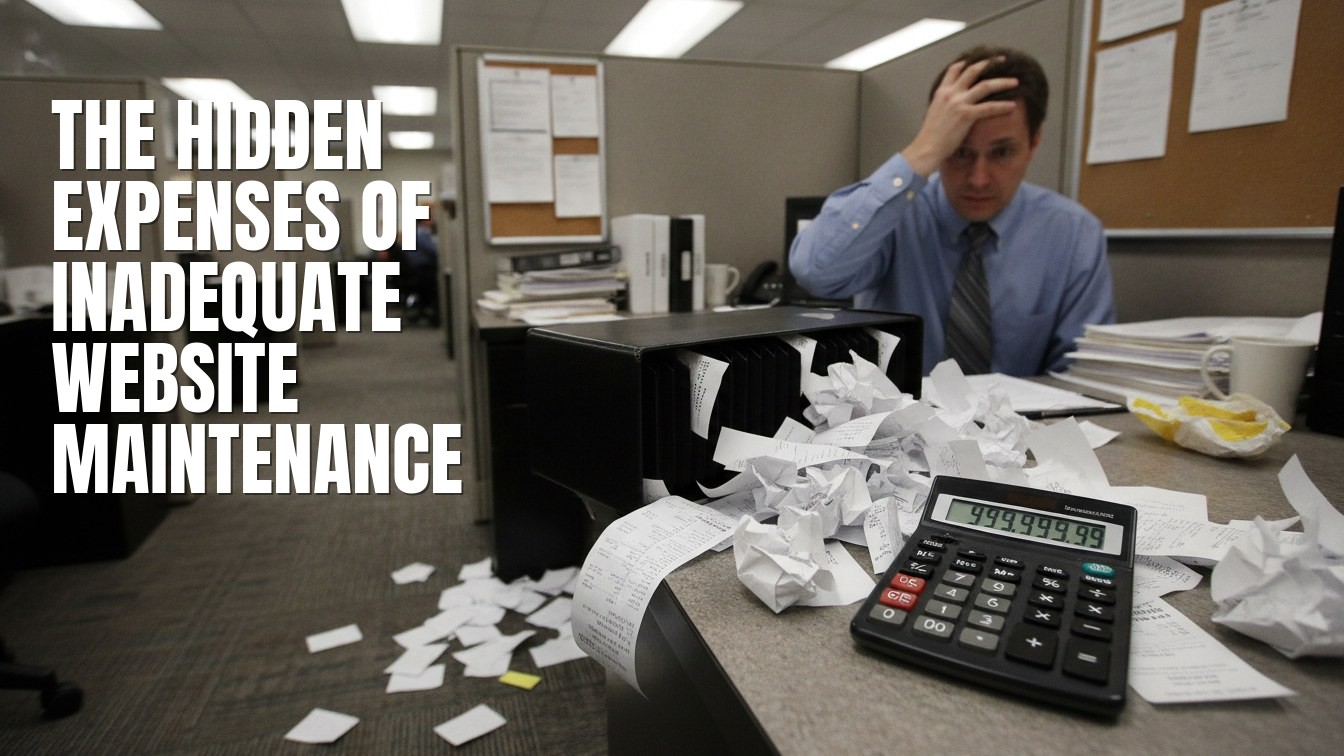
TL;DR
As digital spending fluctuates in 2026, understanding the average costs for website maintenance has never been more critical. Insufficient upkeep can lead to unexpected expenses, risking both your brand reputation and operational efficiency. Learn how to identify these costs and budget effectively to ensure your website remains a valuable asset.
Uncover the often-overlooked expenses tied to poor website maintenance and how they impact your bottom line. This guide helps business owners budget proactively amid rising digital costs.
The Real Cost of Neglecting Website Maintenance
When evaluating the financial health of a business in today's digital landscape, the focus often lies on marketing and sales initiatives. However, an equally vital but frequently overlooked aspect is the ongoing maintenance of your website. Neglecting website maintenance can lead to significant hidden costs that not only inflate your operational budget but may also jeopardize your digital presence. In 2026, as many companies are reassessing their budgets in the wake of fluctuating digital costs, recognizing these hidden expenses becomes essential for effective financial planning.
Understanding the Factors Behind Average Costs of Website Maintenance
The average cost for website maintenance can vary significantly based on several factors, including the size of your website, the technologies used, and the level of support required. Businesses often underestimate these costs, especially during initial budget planning. Typical areas of expenditure include:
- Hosting Fees: Depending on the type of hosting, prices can range from a few dollars a month for shared hosting to hundreds for dedicated servers.
- Regular Updates: Keeping content fresh requires dedication. Failing to update can not only lead your audience to perceive your brand as stale but also directly impacts search ranking.
- Technical Support: Unforeseen issues can arise at any moment; having a reliable support system in place can mitigate the risks of downtime.
- Security Maintenance: Cyber threats continue to evolve. Regular updates to security plugins and protocols are necessities that come at a cost.
- Backups and Recovery: Regular backups are essential. Restoring a system can become exceedingly costly if backups are not handled properly.
On average, businesses should expect to allocate about 15-20% of their initial web development costs annually for maintenance. However, this percentage can fluctuate based on organizational needs and website complexity. By understanding these factors, business leaders can make a more informed decision about how to allocate their digital budgets.
Common Scenarios That Represent Hidden Maintenance Costs
To illustrate the impact of neglecting website maintenance, consider these common scenarios:
Scenario 1: The Unpatched Security Vulnerability
Imagine your business runs on a WordPress website, which, while user-friendly and versatile, is also a common target for cybercriminals. If you neglect timely updates for your site's core, themes, and plugins, you open the door for hackers. A single breach can not only compromise your website's integrity but also result in significant costs related to recovery and reputational damage. The cost of patching a security issue post-breach is typically far greater than simply maintaining it regularly.
Scenario 2: Loss of Revenue Due to Downtime
Consider a situation where your e-commerce site experiences downtime due to overlooked plugin updates. Let's say your site is down for an hour during peak shopping hours. Depending on average order value, that could translate to thousands of dollars in lost revenue. If downtime becomes frequent due to poor maintenance, not only do sales suffer, but customer trust begins to erode.
Scenario 3: Inefficient Site Performance
Site speed is an essential component of user experience and SEO ranking. Failing to optimize images or run routine performance audits can lead to slower load times. For every additional second it takes for a page to load, a customer’s likelihood of leaving increases significantly. Again, what might seem like a minor oversight in maintenance could lead to a major loss in potential sales.
What Effective Website Maintenance Looks Like
In contrast to the hidden costs of neglecting maintenance, investing in a robust website maintenance strategy pays dividends. A well-maintained site will run smoothly, perform efficiently, and offer an excellent user experience. Regular tasks should include:
- Routine backups to ensure data integrity.
- Regular security audits to spot vulnerabilities before they become problems.
- Content updates to keep the site relevant and engaging.
- Performance optimization to enhance load times and overall usability.
Think of website maintenance as a proactive measure rather than a reactive one. Companies with structured website maintenance plans often find they not only save money but also enhance customer satisfaction and loyalty.
Connecting the Dots: How a Comprehensive Website Maintenance Plan Helps
Given the multitude of costs associated with poor website maintenance, it’s evident that a proactive approach is essential. This is where a comprehensive website maintenance plan becomes invaluable. With a tailored maintenance plan, businesses can ensure that their websites not only run optimally but also conform to the very latest security standards. The right plan simplifies management and mitigates risks of downtime, breach, or technical failure.
For example, with our website maintenance plans, you get access to expert support, regular updates, and performance monitoring, all of which are critical in today's fast-moving digital environment. Understanding and applying the average cost for website maintenance within your budget can lead to significant savings and increased operational efficiency.
As you strategize your business budget in 2026, don't overlook the hidden liabilities associated with website maintenance. By understanding the total cost and implementing an effective maintenance strategy, you can mitigate risks and significantly improve your site's performance. If you are ready to take control of your website maintenance and want a consultation to see how we can assist, contact us today. Together, we can ensure that your digital presence remains strong and sustainable.
The Long-Term Value of Proactive Maintenance
It’s tempting to view website maintenance as a series of expenses that cut into your budget. However, the reality is that proactive website maintenance can deliver substantial long-term value. The cost of being reactive rather than proactive can escalate quickly, particularly in the face of a digital landscape that is constantly evolving. When businesses prioritize maintenance, they not only protect their online assets but also invest in potential revenue streams.
Consider the significance of search engine optimization (SEO) in your overall digital marketing strategy. Regular content updates, performance optimizations, and mobile responsiveness enhancements are foundational to maintaining your ranking on search engines. Failing to optimize your site can result in a drop in visibility and traffic, which may lead to significant lost opportunities. In fact, studies suggest that even a small decrease in site rankings can yield a staggering decline in organic traffic that businesses rely upon.
Additionally, search engines like Google reward websites that prioritize user experience. Regular maintenance ensures that your website remains fast, responsive, and secure, which are key factors that influence user satisfaction and retention. An increasingly user-centered online environment means that businesses can’t afford to fall behind when it comes to their website’s performance. Investing in a consistent maintenance routine safeguards against user attrition and enhances your brand’s reputation.
The costs associated with a cybersecurity breach can also serve as a powerful motivator for prioritizing maintenance. Cyberattacks have become more sophisticated and frequent, affecting companies of all sizes. The financial implications of a compromised site can range from immediate repairs and customer notifications to potential lawsuits and lost revenue during periods of downtime. A robust maintenance plan, including regular security audits and vulnerability assessments, can thwart potential attacks before they cause damage.
Enhancing Customer Trust and Loyalty
A well-maintained website fosters trust among visitors. Today’s consumers are savvy; they judge the credibility of a company based on their digital experiences. An outdated website with broken links, slow loading times, or error pages can easily deter potential customers. Regular site maintenance demonstrates a commitment to quality, reliability, and professionalism. These are significant traits that customers look for when deciding whom to engage with online.
Customer loyalty is often built on whether visitors feel valued during their digital experience. A malfunctioning website can send the opposite signal, causing visitors to question your business's validity. By ensuring your site is consistently performing at peak levels, you can cultivate a loyal customer base willing to return to your services or products time and again. Loyal customers are often the most valuable asset for any business, providing repeat business and acting as advocates who refer new customers.
Moreover, a well-maintained website can enhance your brand's image. When users find your site visually appealing, fast, and easy to navigate, they are more likely to associate those positive experiences with the quality of your products or services. Regular site updates, whether they pertain to design, user flow, or mobile compatibility, make your business seem more innovative and responsive to market needs.
Budgeting for Future Growth
Looking toward growth initiatives, budgeting for website maintenance becomes an investment rather than merely an operational cost. An effectively maintained website can not only adapt to market shifts but also scale as your business grows. As companies expand their offerings, adding new products or services, their website forms a critical hub for information dissemination and customer interaction.
Failure to scale your website in line with your business growth can result in a chaotic user experience, tech failures, and potential customer losses. Aligning your digital strategy with a proactive maintenance plan positions your website to expand seamlessly. This means your maintenance budget should be flexible, allowing room for adjustments as your business evolves.
To accurately budget, consider seasonal fluctuations in your business activities. High-traffic periods often coincide with new product launches or marketing campaigns. A key aspect of maintenance in this scenario is ensuring scalability. By anticipating peak traffic periods with a solid maintenance strategy, you can mitigate stress on your site, ensuring that it performs optimally when it matters most.
Integrating Technology for Efficiency
The rise of technology solutions for website maintenance has transformed how businesses manage their online presence. Cloud-based tools, automated updates, and AI-driven analytics are mainstream practices that can enhance your maintenance strategy. Implementing these technologies not only streamlines maintenance processes but also ensures your website remains up to date without requiring significant manual intervention.
Automation tools can be particularly valuable for content management systems. Scheduling routine updates, backups, and even optimizing images for faster load times can be handled through these systems. By reducing the manual workload, your team can focus on more strategic initiatives rather than being bogged down by technical upkeep, allowing for improved productivity across your organization.
Artificial intelligence can also play a crucial role in monitoring website performance and predictive maintenance. AI tools can analyze traffic patterns, user behavior, and performance metrics to identify potential issues before they arise. This level of foresight can significantly reduce emergency repair costs and enhance user experience by ensuring that your site is always running optimally.
In summary, investing in adequate website maintenance is synonymous with investing in your company’s stability and longevity. The hidden expenses of neglecting this essential operational function are vast and can ripple through every aspect of your business. Understanding not just the upfront costs but the long-term benefits empowers you to make informed decisions regarding your website's future stability and effectiveness. As we look toward the future, prioritize your website maintenance to create a resilient and thriving digital presence.
The Strategic Importance of Regular Updates
One of the key components of effective website maintenance is ensuring that your platform is regularly updated. Website platforms and content management systems (CMS) frequently release updates that not only introduce new features but also patch vulnerabilities that could otherwise be exploited. Outdated software is a prime target for cybercriminals looking to exploit weaknesses, and neglecting to apply these updates can put your business at risk.
Regular updates to both core software and plugins are crucial for protecting sensitive customer information and maintaining trust. Customers are more likely to return to a site that is visually appealing and functions seamlessly, making regular updates integral to driving repeat business. Moreover, search engines prioritize sites that provide a secure and smooth user experience in their rankings. By falling behind, businesses may suffer reduced visibility, ultimately leading to a decrease in potential traffic and revenue.
Another aspect often overlooked is the significance of content updates. An engaging website is one that is dynamic rather than static. Regularly updated content not only keeps your audience engaged but can positively impact your search engine rankings. Implementing a content strategy that includes frequent blog posts, articles, or even minor updates to existing pages signals to search engines that the site is active and relevant. Over time, valuable content can position your business as a thought leader in your industry, garnering organic backlinks and increasing your website's authority.
User Experience: The Invisible Expense
A critical element of effective website maintenance involves focusing on user experience (UX). Poor UX can lead to high bounce rates; it's essential to ensure that your website is user-friendly and intuitive. A cluttered layout, slow loading times, or broken links may go unnoticed initially, but they create a frustrating experience for visitors. If users struggle to navigate your site, it reflects poorly on your brand and may drive potential customers to competitors.
High-quality website maintenance includes conducting regular UX audits, where testing and evaluation of user behavior can pinpoint areas requiring improvement. Small adjustments, such as simplifying navigation or improving page loading speed, contribute to better user retention and greater interaction, essential components in converting site visitors into paying customers. Remember that investing in user experience translates into measurable financial returns. Brands are more likely to gain customer loyalty through seamless interactions that foster trust and create positive experiences.
Furthermore, mobile optimization must not be overlooked, particularly as mobile traffic continues to grow exponentially. A website that isn't optimized for mobile users risks alienating a significant percentage of potential customers. Regular checks for mobile responsiveness and usability ensure that visitors on any device enjoy a comprehensive experience, further bolstering your reach and engagement.
SEO and Your Business's Visibility
Search Engine Optimization (SEO) should be an ongoing element of your website maintenance plan, not just a one-time effort. Regularly updating SEO strategies and tactics helps ensure that your site meets current search engine algorithms and user expectations, which constantly evolve. Neglecting SEO can lead to reduced visibility, directly impacting your revenue and market presence.
Search engines favor fresh, relevant content, as well as optimized pages that comply with the latest SEO practices. This means that your website must not only be maintained in terms of functionality but also be regularly audited and adjusted for SEO best practices. Failure to do so can result in being outranked by competitors who invest the necessary time and resources into their website maintenance.
Analyzing keyword performance, optimizing meta tags, and updating content for relevancy should be integral parts of your ongoing strategy. By continuously providing value to your visitors through informative blog posts, product descriptions, or service updates, coupled with genuine engagement, you can improve not only your search rankings but also your overall business reputation.
By recognizing the continuity between effective website maintenance, comprehensive user experience, and strong SEO practices, companies can position themselves in the market with a competitive edge. All of these components work cohesively to build a robust digital infrastructure that supports growth, enhances brand perception, and ultimately drives better business outcomes.
If you want this handled for your business, contact us today.