The Reputation Crisis of Ignoring Google Reviews
10/26/2026, 10:22 AM · By Yossi Medina | Service: Google Review Management
TL;DR
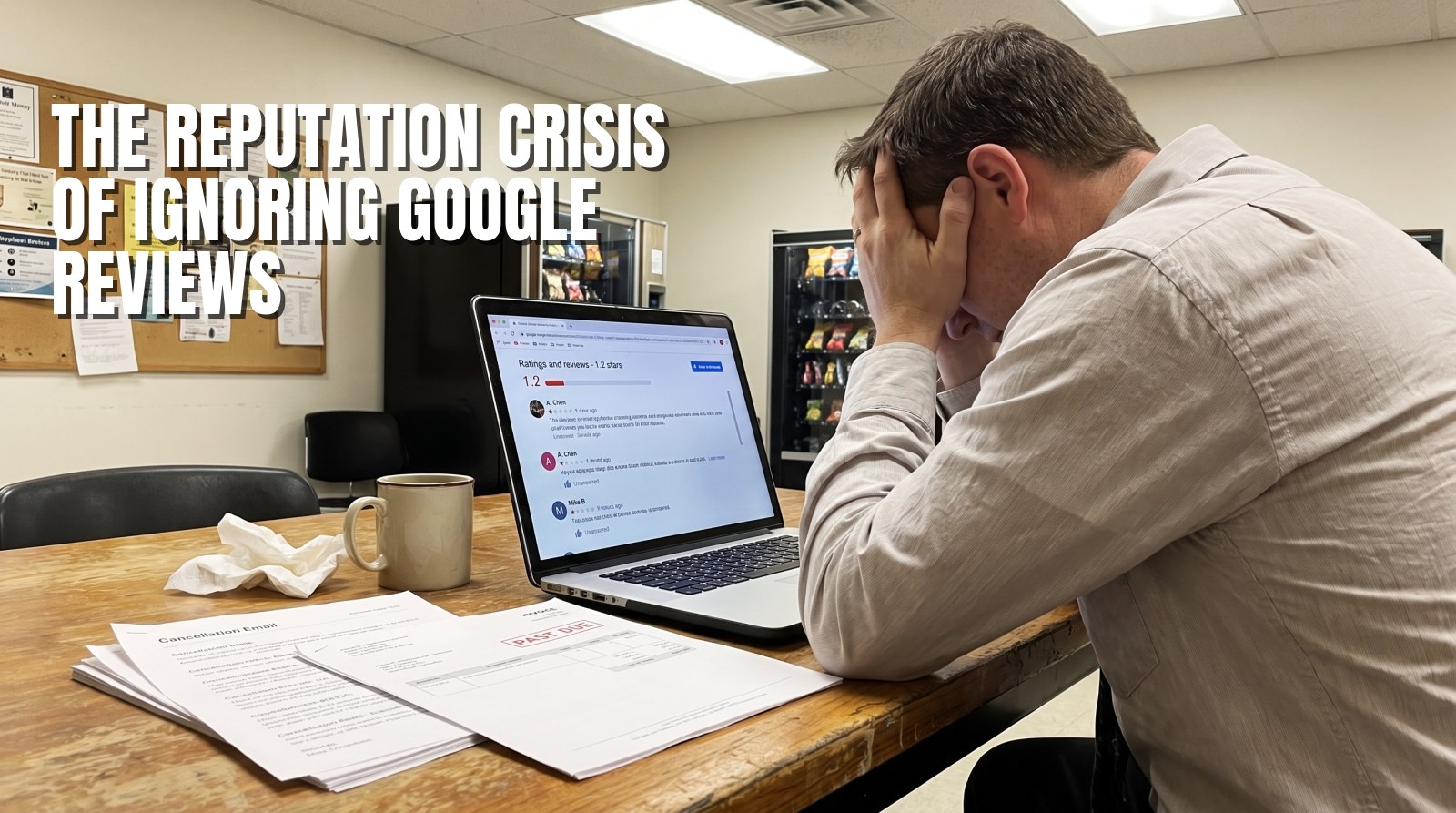
Ignoring Google reviews can devastate a business's reputation and customer trust, costing you credibility in a competitive marketplace. Acknowledging and managing these reviews is essential for maintaining positive relationships with customers and bolstering your online presence. Google Review Management can provide a streamlined approach to alleviate this burden.
Ignoring Google reviews can dramatically affect your business reputation. Learn the risks and how effective review management can help rebuild trust and engagement with your customers.
Understanding the High Stakes of Google Reviews
In today's digital age, customer feedback can make or break a business's reputation. With 88% of consumers trusting online reviews as much as personal recommendations, ignoring Google reviews amounts to overlooking a crucial aspect of your customer engagement strategy. Every unaddressed review, whether positive or negative, has the potential to impact new customer acquisition and retention rates significantly.
Imagine a potential customer searching for your services on Google; the first thing they see is your rating, a reflection not only of your product but your overall business ethos. If your Google Business Profile showcases a slew of unacknowledged negative reviews, it's enough to drive away even the most curious prospects. This reality poses a significant risk to businesses that are unprepared for the consequence of neglecting their online reputation.
The Hidden Costs of Review Neglect
Ignoring Google reviews results in a cascade of negative effects that extend beyond online reputation. First and foremost, there’s the direct impact on your sales. According to a survey by BrightLocal, 91% of consumers aged 18 to 34 trust online reviews as much as personal recommendations. Thus, unfavorable reviews can lead potential customers to competitors. Every missed opportunity to engage with a review could translate into real revenue losses alongside diminished customer loyalty.
Beyond lost sales, poorly managed reviews can harm your SEO. Search engines factor in online reviews when determining your visibility in local packs. Thus, neglecting your Google reviews may result in lower search rankings, further alienating your business from customers actively seeking your services. These factors combine to create a potent threat: a cycle of decline fueled by inattention and mismanagement.
Real-Life Scenario: The Consequence of Inaction
Consider a local restaurant notorious for its delicious meals yet struggling with visibility due to poor online ratings. Their Google Business Profile reveals a mix of great reviews sharing praises about the food, alongside significant complaints about customer service. Instead of addressing the customer issues, management allowed the negative sentiments to fester. Consequently, potential diners, swayed by the discontent of past patrons, opted for competitors with higher ratings, resulting in a 30% drop in revenue over six months. Customer sentiment can create a domino effect that cascades across your business performance.
Why Customers Leave Reviews: Unpacking the Psychology
Understanding why your customers leave reviews is essential to navigate this landscape effectively. Customers are driven to share their experiences, both positive and negative, for various reasons. Often, their motivation stems from a desire for validation or catharsis, especially following a negative experience. Failing to engage means ignoring their need for acknowledgment.
Moreover, customers who leave a review often expect a response. Addressing their feedback not only shows you value their opinion but can also turn dissatisfied customers into loyal advocates. Organizations that actively respond to reviews can enhance their reputation and customer relations. This dynamic illustrates why Google Review Management is a strategic initiative every business leader should prioritize.
The Importance of Timely Responses
When a customer takes the time to leave a review, whether it’s praise or criticism, having a structured response protocol in place is crucial. Acknowledging positive feedback encourages further engagement and fosters loyalty, prompting customers to return. On the other hand, addressing negative reviews with empathy and a willingness to resolve issues can effectively mitigate potential damage. For example, a wellness spa that receives criticism for late appointments can respond with an apology and an offer of a discount on the next appointment. Such actions show commitment to customer satisfaction, potentially converting a detractor into a loyal patron.
Adopting a Proactive Approach: The Essential Checklist
Implementing effective Google Review Management demands a structured approach. Here are key steps to consider as part of your strategy:
- Regular Monitoring: Set up alerts for new reviews or establish a routine to check your Google Business Profile frequently.
- Establish Response Protocols: Designate team members responsible for responding to reviews, ensuring responses are timely, personalized, and empathetic.
- Encourage Customer Feedback: Make it easy for satisfied customers to share positive experiences through follow-up emails or links.
- Analyze Trends: Look for patterns in reviews to identify consistent issues and areas of strength in your business.
By adopting these strategies, businesses create a cycle of positive interaction that enhances customer loyalty and improves their market standing.
Leveraging Technology in Google Review Management
In a landscape with a seemingly endless array of tasks, leveraging technology can streamline your review management process. Tools designed for Google Review Management can aggregate reviews, facilitate structured responses, and provide insight into customer sentiment trends. Automating these processes can reduce manual load and ensure consistency across responses. Using Google Review Management as a structured service provides businesses with a practical path to maintain their online reputation and effectively engage with their audiences.
Conclusion: Don’t Let Reviews Hold You Back
As businesses, we must approach customer feedback holistically. Ignoring reviews is a decision that can lead to spiraling consequences, affecting not just reputation but also revenue and customer relationships. Implementing efficient Google Review Management practices elevates your business, allowing you to cultivate a thriving community of satisfied customers.
To turn feedback into an asset rather than a burden, consider employing a strategic approach to manage reviews effectively. For a detailed consultation on how our Google Review Management services can help your business, reach out to us today. We’re here to help you navigate the intricacies of digital reputation management.
Understanding the Impact of User-Generated Content on Brand Trust
In today’s digital landscape, user-generated content (UGC) is an essential aspect of how consumers perceive and interact with brands. Google Reviews serve as a prime example of UGC that can significantly influence brand trust. Potential customers often turn to reviews from peers before making purchasing decisions, expecting that these insights will paint an accurate picture of the business they are considering. This trust is not easily built; it demands consistent and authentic engagement. By neglecting reviews, businesses inadvertently undermine their own credibility, paving the way for a trust deficit that is difficult to reverse.
When brands take an active role in managing their Google Reviews, they signal to potential customers that they value feedback, understand customer experiences, and are willing to make necessary improvements. This proactive stance transforms what could be mere transactional interactions into relationships based on trust and mutual respect. For instance, responding to both positive and negative reviews demonstrates a commitment to transparency and customer satisfaction, fostering an environment where customers feel heard and valued.
The Role of Reviews in SEO and Discoverability
Beyond just reputation management, Google Reviews play a crucial role in your search engine optimization (SEO) strategies. Search algorithms increasingly prioritize businesses that engage positively with their customers online. The volume, velocity, and variety of reviews can enhance a business's visibility in local search results. When potential customers input queries related to your industry, algorithms consider factors like the recency and authenticity of reviews when ranking search results.
This means that in addition to responding to reviews, businesses should also encourage satisfied customers to leave feedback. A steady influx of positive reviews not only solidifies your reputation but also elevates your ranking in search results, making it more likely that your brand will be discovered by new customers. However, this engagement must be genuine; soliciting reviews without a solid foundation of customer satisfaction can lead to negative consequences, as this tactic may come off as disingenuous and lead to a backlash instead of the desired uplift.
Leveraging Reviews for Marketing Insights
Google Reviews are not simply tools for reputation management; they also serve as valuable data sources. Each review can offer insights into customer preferences, behaviors, and pain points. By analyzing review content, businesses can identify trends in customer feedback that may go unnoticed in traditional market surveys. This treasure trove of information can guide product development, service enhancements, and marketing strategies, allowing businesses to align closely with their customers’ needs.
For example, a recurring theme in reviews might indicate that customers appreciate a particular aspect of your service but find another area lacking. By understanding these nuances, businesses can tailor their offerings to enhance customer satisfaction, thus creating a feedback loop that promotes continuous improvement and fosters loyalty.
Strategies for Encouraging Positive Reviews
While managing existing reviews is critical, cultivating an environment where positive reviews flourish is equally important. Here are practical strategies to encourage satisfied customers to leave glowing reviews:
First, ensure that you provide exceptional customer experiences at every touchpoint. A delighted customer is far more likely to share their positive experiences online. Additionally, consider personalizing follow-up communications, this could be as simple as sending a thank-you email with a request for feedback. Make it as easy as possible for customers to access your Google Review page; providing direct links in emails or on receipts can significantly increase the likelihood of receiving reviews.
It can also be beneficial to create incentives for leaving reviews, such as entry into a prize draw or small discounts on future purchases. Make sure to comply with Google’s guidelines regarding incentivizing reviews, to maintain authenticity and avoid potential penalties. However, prioritize ethical approaches over gimmicky tactics, genuine feedback is invaluable for your company’s reputation and development.
The Long-Term Value of Sustained Engagement
Managing Google Reviews effectively is not merely a reactive process; it requires sustained effort over time. Businesses that continuously engage with their reviews are better positioned to build long-term relationships with their customers. Regularly acknowledging reviews, whether positive or negative, fosters a community of trust and reliability around your brand. Thanks to technology, the customer’s voice has never been louder; the opportunity to interact and engage is vastly available, and companies that capitalize on this can reap significant rewards.
A long-term engagement strategy may also include creating content based on customer feedback, such as blog posts or social media shares highlighting positive experiences. By showcasing customer testimonials in your marketing material, businesses can build social proof that can influence potential buyers when facing a purchasing decision.
The Consequences of Neglecting Google Reviews
Failing to manage Google Reviews can have dire consequences far beyond lost sales. Poor ratings can set off a chain reaction, leading prospective customers to consider your competitors first. Research shows that consumers are unlikely to trust businesses with low engagement and negative reviews. Even neutral or mixed reviews can deter new customers if they feel your business has not invested in addressing past concerns.
Moreover, a lack of engagement can create an impression that your business is indifferent not only to customer feedback but also to the quality of your products or services, which exacerbates distrust. In contrast, companies that actively maintain their online presence tend to foster a loyal customer base, increasing lifetime value and generating a cascade of positive word-of-mouth referrals.
In summary, businesses cannot afford to dismiss the significance of Google Reviews in today’s digital economy. Embracing review management as an integral part of your overall customer engagement strategy will not only protect your business's reputation but will also provide a roadmap for growth and innovation. Instead of fearing reviews, let them propel your business forward into a new era of informed decision-making and sustainable customer relationships.
If you want this handled for your business, contact us today.