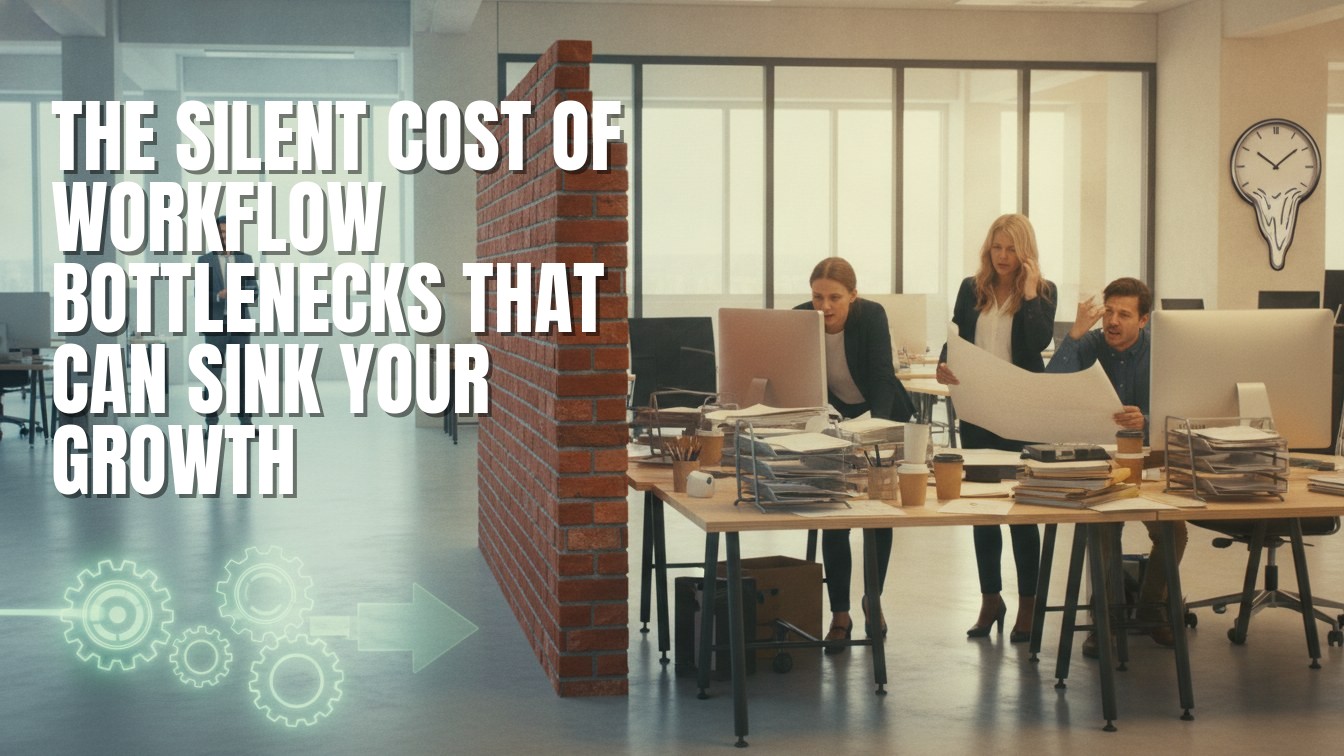
The Silent Cost of Workflow Bottlenecks That Can Sink Your Growth
8/1/2026, 11:18 AM · By Yossi Medina | Service: Agentic Workflow Automation
TL;DR
Workflow bottlenecks can choke your business growth by fostering inefficiencies and slowing down operations. Identifying and resolving these challenges is crucial for sustaining productivity and maintaining a competitive edge in today’s fast-paced environment. Implementing strategic workflow automation can be an effective solution to streamline operations and enhance overall efficiency.
Workflow bottlenecks are a hidden cost that can significantly hinder your business growth. Discover effective strategies for identifying and overcoming these inefficiencies.
Identifying the Workflow Bottlenecks That Limit Your Business Potential
Every successful business strives for efficiency, yet many find themselves plagued by workflow bottlenecks that disrupt operations and drain resources. Workflow bottlenecks occur when a particular stage in your process slows down the entire operation, making it difficult to meet deadlines and respond to opportunities. The repercussions can be severe, from lost revenue to diminished team morale. Identifying these bottlenecks is the first step toward resolving them.
Common culprits of workflow bottlenecks often include manual processes, lack of clear communication, unoptimized resource allocation, and reliance on outdated technology. For example, a marketing team might struggle to produce timely campaigns because they are waiting for the IT department to adjust some outdated website functionalities. Each day of delay translates into missed opportunities for engagement and sales.
Understanding the Costs Associated with Workflow Inefficiencies
The hidden costs of workflow bottlenecks extend far beyond temporary delays. As time drags on, businesses experience not only financial losses but also a tarnished reputation and declining employee morale. Bottlenecks can lead to:
- Lost Revenue: Each extra day to complete a project can thwart potential sales, resulting in lower cash flow.
- Declining Employee Morale: Teams feeling overworked or unappreciated may contribute to a toxic workplace environment.
- Client Dissatisfaction: Delays in service delivery or product launches can drive customers away to competitors.
Let’s illustrate this with a real-world scenario. Imagine a digital agency handling multiple client projects. Project managers spend hours chasing approvals instead of focusing on execution. As a result, they miss deadlines, leading to frustrated clients and a crumbling reputation. This chain reaction ultimately stifles the agency’s ability to take on additional work, leading to stagnation.
Concrete Strategies to Identify and Resolve Workflow Bottlenecks
To effectively combat workflow bottlenecks, businesses must adopt a systematic approach. Here are some actionable strategies:
Map Out Existing Workflows
The first step is to visualize your processes. Utilize flowcharts or project management tools to outline every stage from initiation to completion. This mapping strategy helps pinpoint where delays occur and how much time each task takes. Understanding your current landscape equips you with the data necessary to implement changes.
Engage Team Members in Problem-Solving
Employees working closest to workflows often have the best insight into existing issues. Engage your team in open discussions to surface their experiences and suggestions. This not only fosters a sense of ownership but also results in pragmatic solutions tailored to real pain points.
Automate Repetitive Tasks
Explore automation tools that can streamline repetitive tasks, such as data entry or email responses. Utilizing platforms like Zapier or Monday.com can help sync activities across various functions, minimizing the manual effort involved. By reducing human error and freeing up employee time, teams can concentrate on higher-value activities.
Monitor Key Performance Indicators (KPIs)
Develop KPIs to measure efficiency in real time. By closely monitoring these metrics, businesses can identify when and where bottlenecks are devolving into issues. For example, if a particular process consistently exceeds expected completion times, it may require immediate attention.
Creating a Culture of Continuous Improvement
Addressing workflow bottlenecks is not a one-time effort; it requires a cultural shift towards continuous improvement. Encourage your staff to adopt methodologies like Agile or Lean, which focus on iterative changes and minimizing waste. By reinforcing a mindset of adaptability, businesses can ensure that they remain resilient against future workflow challenges.
The Role of Agentic Workflow Automation in Alleviating Bottlenecks
Amidst these strategies, implementing workflow automation is an effective way to alleviate bottlenecks. Agentic Workflow Automation can simplify your operational processes by automating repetitive tasks, enhancing communication, and integrating systems seamlessly. Such automation reduces the burden on team members, increases accuracy, and allows for faster response times.
By deploying Agentic Workflow Automation, your organization can achieve a streamlined workflow that not only improves efficiency but also contributes to a positive workplace culture. As business demands increase, your ability to respond becomes vital; effective automation is your key to staying ahead of the curve.
The Importance of Real-Time Data in Identifying Workflow Bottlenecks
In addition to automation, leveraging real-time data is crucial in addressing and preventing workflow bottlenecks. Having access to live data allows management to monitor performance continuously, spotting issues as they occur rather than waiting for end-of-cycle reports. This proactive approach enables teams to address inefficiencies quickly, maintaining smooth operations and ensuring that projects stay on track.
For instance, implementing dashboards that display real-time project status, task completion rates, and team workloads provides organizations with the necessary insights to make informed decisions. Real-time data not only highlights existing bottlenecks but also helps in forecasting potential slowdowns based on historical trends and patterns.
Integrating Cross-Departmental Collaboration
Many organizations experience bottlenecks when departments work in silos, with little communication or collaboration between teams. Bridging the gap between departments and fostering collaboration can significantly enhance overall workflow efficiency. Encouraging shared goals and regular interdepartmental meetings can create a cohesive understanding of how each team contributes to the broader objectives of the organization.
Moreover, integrating collaborative tools can facilitate better communication and transparency. Tools like Slack, Microsoft Teams, or project management software such as Asana or Trello can streamline interactions among team members and departments, offering platforms for quick updates, feedback, and task assignments. When everyone is on the same page, it reduces the likelihood of misunderstandings and redundant work, significantly enhancing productivity.
The Impact of Employee Training on Workflow Efficiency
Investing in employee training is another critical component in alleviating workflow bottlenecks. Providing ongoing education and developing skill sets ensures that employees are equipped to navigate complex systems and processes. Well-trained employees are not only more competent but also more confident in their ability to perform tasks effectively, which contributes to smoother workflows.
When employees understand how to use tools and processes efficiently, they can reduce delays caused by errors or lack of knowledge. Furthermore, continuous professional development fosters a culture of growth and innovation, as team members are empowered to contribute ideas for process improvement. This culture not only boosts morale but also drives the organization toward greater efficiency and productivity.
Adopting Agile Methodologies for Enhanced Agility
Transitioning to agile methodologies can provide organizations with the flexibility needed to adapt to ever-changing market conditions quickly. Agile frameworks, such as Scrum or Kanban, prioritize iterative progress and feedback loops, allowing teams to identify and address bottlenecks in real-time. By working in short, focused sprints, teams can assess what is working, what isn’t, and make immediate adjustments.
This method encourages continuous improvement, as it emphasizes learning from past experiences and applying those lessons to current operations. As a result, the organization can respond to customer needs more rapidly and efficiently, ensuring that workflow remains unhindered and geared towards growth.
Enhancing Customer Interaction to Minimize Bottlenecks
Understanding customer needs and pain points is essential for effective workflow management. By actively engaging with customers through various touchpoints, be it sales calls, feedback surveys, or customer service interactions, organizations can uncover potential bottlenecks stemming from unmet customer expectations.
For instance, if a company learns that clients are frequently experiencing issues with a service, it can address those concerns swiftly, potentially re-engineering processes to remedy common complaints. Anticipating customer needs and making enhancements accordingly helps prevent future bottlenecks from arising, ultimately leading to improved customer satisfaction and loyalty.
Creating a Feedback Loop for Continuous Improvement
Establishing a feedback loop between employees and management can be instrumental in identifying and resolving workflow bottlenecks. When team members feel comfortable voicing their concerns or suggestions, organizations gain valuable insights into inefficiencies that may not be visible from higher management levels.
Regular feedback sessions, anonymous surveys, or suggestion boxes can facilitate the flow of ideas and improvements. By acting on this feedback, organizations can refine processes and create a sense of ownership among employees, motivating them to proactively seek solutions to workflow challenges. This collaborative approach enhances overall team dynamics and contributes positively to organizational culture.
Encouraging a Culture of Experimentation
Another effective strategy for overcoming workflow bottlenecks lies in fostering a culture of experimentation. Encouraging teams to test new processes, approaches, or technologies not only allows for the exploration of innovative solutions but also creates an environment where employees feel safe to take risks without the fear of failure.
When teams experiment with variations in workflow, they can determine which solutions yield the best results. This practice of trial and error can lead to breakthroughs that alleviate longstanding bottlenecks and promote overall efficiency. With adequate support from leadership, employees are more likely to embrace change, driving the organization toward comprehensive workflow enhancements.
Leveraging Technology for Process Mapping
Utilizing technology to create process maps can help organizations visualize workflows and identify potential bottlenecks effectively. Process mapping software allows teams to lay out their workflows visually, highlighting dependencies and critical paths that may be contributing to delays.
This visualization aids in pinpointing inefficiencies and redundancies, making them easier to address. By simplifying complex processes into digestible visuals, team members can better understand their roles and how their tasks fit into the larger picture. With clear visibility into workflows, organizations can streamline operations and enhance productivity.
The ability to identify and alleviate workflow bottlenecks is essential for sustaining growth in today's fast-paced business environment. By employing strategies such as real-time data analysis, cross-departmental collaboration, comprehensive training, agile methodologies, and a culture of experimentation, organizations can optimize their workflows. This will not only refine operational efficiency but also fortify a company's position to seize new opportunities, ensuring its sustained relevance in a competitive marketplace.
Empowering Teams Through Transparent Communication
One of the most effective methods for tackling workflow bottlenecks is enhancing communication across teams. When teams operate in silos, important information can become trapped, creating unnecessary delays and misunderstandings. Implementing tools that facilitate open lines of communication allows team members to share insights, feedback, and updates in real-time. This transparency not only fosters collaboration but also encourages accountability, as everyone is aware of their responsibilities and how they impact the collective goal.
Regular check-ins and status updates can help teams stay aligned on priorities. Additionally, adopting collaborative platforms, such as project management software, enables team members to track progress and identify potential roadblocks early on. By encouraging a culture where questions and concerns can be addressed promptly, organizations can prevent minor issues from escalating into significant bottlenecks.
Moreover, training employees on effective communication techniques can further enhance understanding and reduce friction. Encouraging active listening and the use of constructive feedback can create a more cohesive atmosphere where ideas flow freely, allowing for quicker decision-making. When teams are empowered to express their thoughts openly and are equipped with the right tools, the potential for innovation increases, further accelerating growth.
The ultimate goal is to create a feedback-rich environment. Not only does this support individual development, but it also allows for continuous improvement of workflows. Employees at all levels should feel comfortable sharing their experiences and suggestions for better efficiency, further integrating a sense of ownership in the processes they engage with.
Bottom Line
Workflow bottlenecks are often the silent killers of business efficiency, impeding growth, and eroding profits. However, by understanding, identifying, and resolving these inefficiencies through structured approaches and automation, you can transform your operational dynamics and foster a more productive environment. Embrace the tools at your disposal and make a commitment to improve your workflows, ensuring your business continues to thrive.
If you’re ready to break free from workflow bottlenecks and elevate your operations, contact us today for a free consultation and discover how our tailored solutions can drive your business forward.
If you want this handled for your business, contact us today.