Top Trends in UI/UX Design for 2026
5/7/2026, 12:08 PM · By Yossi Medina | Service: UI/UX Design
TL;DR
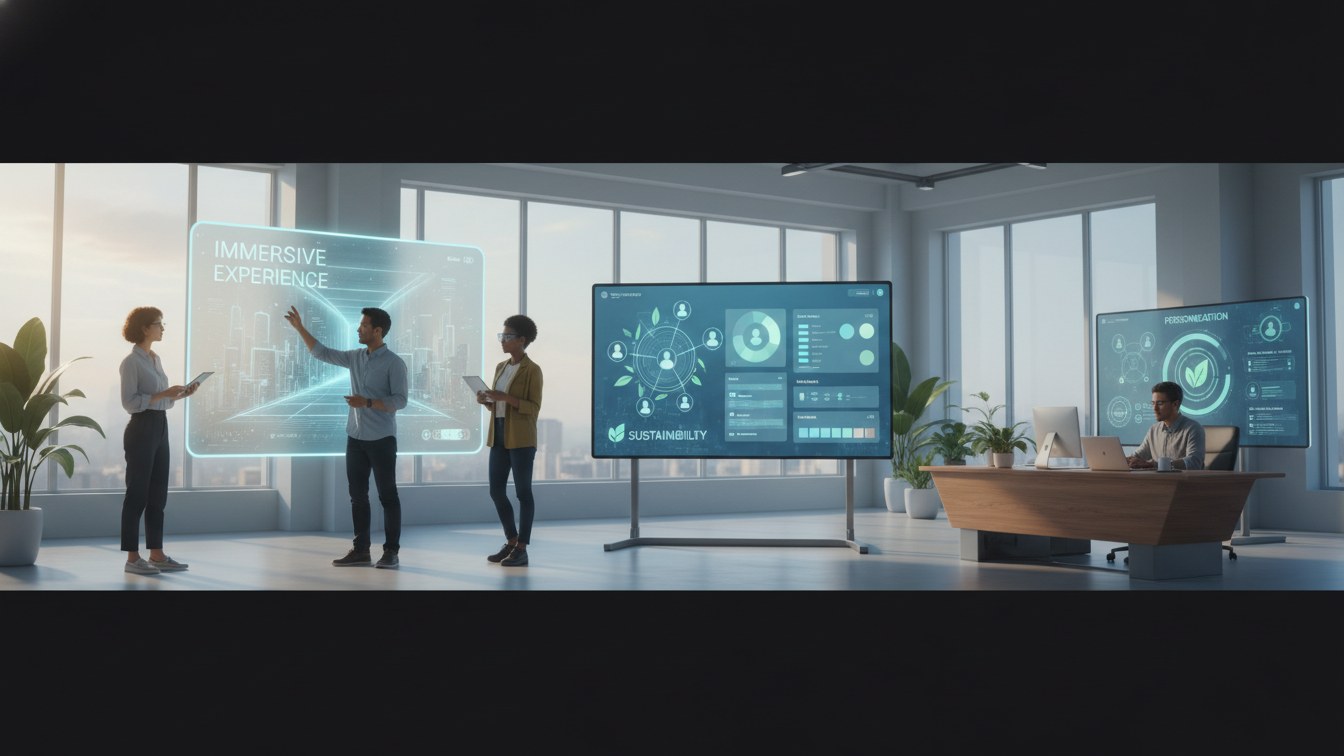
As we move towards 2026, UI/UX design is set to evolve with trends focusing on immersive experiences, personalization, and sustainability. Understanding these trends will help businesses enhance user engagement and satisfaction, making them more competitive in the digital landscape.
Explore the top UI/UX design trends for 2026, focusing on immersive experiences, personalization, and sustainability. Learn how embracing these trends can give your business a competitive edge.
Introduction
In the fast-paced world of technology, user interface (UI) and user experience (UX) design are continuously evolving. As we approach 2026, it's crucial for businesses to stay ahead of the curve by understanding and implementing the latest trends. This post will explore the top UI/UX design trends set to shape the digital landscape, helping you create a more engaging and effective online presence.
The Rise of Immersive Experiences
As technology advances, users expect more immersive and engaging experiences. This trend encompasses various aspects:
- Virtual Reality (VR) and Augmented Reality (AR): These technologies are becoming more accessible, allowing businesses to create unique, interactive experiences that entice users.
- Micro-interactions: Small, subtle animations can enhance the user's experience by providing feedback or guiding them through tasks.
- Voice User Interfaces (VUIs): As voice recognition becomes more sophisticated, integrating VUIs into your digital strategy can significantly improve accessibility.
To stay ahead in this competitive landscape, embracing these immersive elements in your UI/UX design is essential.
Personalization: Meeting User Needs
Users crave personalized experiences, and tailoring your UI/UX to meet their specific needs can make a significant difference in user engagement. Consider the following strategies:
- Data-Driven Design: Utilize analytics to gather insights into user behavior, preferences, and pain points. This information can inform design decisions.
- Dynamic Content: Implement features that adapt based on user interactions and preferences, ensuring a relevant experience each time they visit.
- Segmentation: Create different user paths based on various user profiles, enhancing the overall experience and engagement rates.
Integrating these personalization strategies into your UI/UX design will not only improve user satisfaction but also drive conversions.
Sustainability in Design
As environmental concerns continue to rise, sustainability has become a vital consideration in design. Businesses can demonstrate their commitment to sustainability through:
- Eco-Friendly Design Choices: Opt for color palettes and materials that reduce environmental impact, reflecting corporate responsibility.
- Accessible Design: Ensuring your website is inclusive for all users also contributes to sustainability, as it promotes longevity and reduced turnover.
- Sustainable User Journeys: Streamline user pathways to minimize energy consumption, offering efficient paths to information without excess resource usage.
By focusing on sustainability in your UI/UX design, you can appeal to eco-conscious consumers and set your brand apart from competitors.
Conclusion
In summary, the UI/UX design landscape is shifting towards immersive experiences, heightened personalization, and sustainability. By incorporating these trends, your business can not only meet user expectations but surpass them, ultimately fostering loyalty and growth. If you're interested in leveraging these trends for your brand, contact us for a consultation.
Frequently asked questions
Ready to get expert help with UI/UX Design?
Learn more about UI/UX Design